“It’s Called Cooking…”

A few years ago I accidentally dumped an entire five-quart Dutch oven of coq au vin into the back of a friend’s oven.

Wine. Chicken. Mushrooms. Pearl onions.

Everywhere.

I stood there in stunned silence, quietly contemplating whether I should just fly back to California that night. Nine hungry guests in the other room, blissfully unaware of what had just taken place. My buddy stood there next to me, and, after making a careful assessment of the situation, handed me a beer and said,

“It’s called cooking.”

Instagram, YouTube, and Food Network have convinced everyone that good cooks – professional cooks – always produce perfect food.

We don’t.

While good cooks often do triumph in the kitchen, they also more than occasionally produce burned onions, broken sauces, collapsed soufflés, pork butts that stall for three hours, and the occasional oven full of French stew.


One recent Sunday afternoon we had some family over for dinner. I’d fired up the smoker and put an 7lb pork butt on at about 8AM. Having done this before, I was figuring on a 3PM wrap, followed by another 2 hours on the heat to push it through the stall, and then pulling it at 203°F at around 5PM, to be followed by a 2 hour rest. Eat at 7PM.

At 6PM my pork butt had been wrapped in foil for three hours. The smoker was running north of 325°F, and the thermometer was still reading 158°F, just as it had been for the last three hours.

I checked the probe. I checked the fire. I reviewed the laws of thermodynamics. I questioned physics. In all my years cooking BBQ, I’d never seen a stall like this one… especially after wrapping in foil.

So what did I do? I made coleslaw, brought out some shrimp cocktail, encouraged everyone to have another beer.

Because the thing is that the meat doesn’t know when guests are arriving or when they will get hungry; it doesn’t know that you already toasted the buns; it doesn’t care what your timeline is.

I cranked the temperature on the smoker to maximum (about 340°F). Maybe 15 minutes later the temp finally began to climb; at 7:30PM it hit 203. I pulled it off the heat, let it rest for 30 minutes, and shredded it. The bone slid cleanly out. It was delicious.

Dinner was 90 minutes late. The meat didn’t care – and neither did my guests. Everyone had a great time.


I share these two stories because I suspect that one of the reasons people don’t cook for themselves more often – let alone others – is fear of failure. Julia child once said “The only real stumbling block is fear of failure. In cooking, you’ve got to have a what-the-hell attitude. Cooking is one failure after another, and that’s how you finally learn.”

“The only real stumbling block is fear of failure. In cooking, you’ve got to have a what-the-hell attitude.”

Julia Child

After many years in the kitchen, I still firmly believe that anyone can cook (to quote Auguste Gusteau from Ratatouille). In fact, the tagline from this blog is what my grandfather always used to say – “If you can read, you can cook.”

The reality is that sometimes a meal comes out more perfectly than anyone could ever imagine; a lot of times it’s pretty good… and once in a while you just have to dump the whole thing in the trash and order a pizza.

It happens.

And the thing is that cooking – believe it or not – isn’t really about the food. Nor is it about the recipes, or the equipment, or the temperatures, or the ingredients.

It’s about hospitality.

Sometimes that means serving a perfectly executed meal. Sometimes that means admitting that your salad dressing tastes like tartar sauce. Sometimes that means everyone has one more beer while the pork finishes.

But there is one thing that cooking is most certainly not about:

Performance.

I love serving a beautiful meal. I love getting the smoke just right, or pulling off the perfect roast, or watching someone take that first bite. But those things are not the reason that I cook or have people over. I do it because it’s an opportunity provide an experience where someone else can be royalty for an afternoon. It’s an opportunity to create a space for another person where, for a few hours, they don’t have to think about anything – no work, no responsibilities, no pressure.

A few years ago a close friend of mine lost his dad to cancer and a host of other health problems. My friend was already in rough shape before this – out of a job, car broken down, struggling to pay rent. I called him up and asked him if he wanted to come over for dinner. He said he would like to, but he had no way to get to my house.

So I sent a Lyft to go pick him up and brought him over. We didn’t say much, if anything. I put a beer in his hand and sat him down in the kitchen. I put on some music.

And I cooked for him.

I made enough leftovers to feed him for a few days. After we ate, I put everything in deli containers, packed it up over ice, and when the evening was over I called him a ride and sent him home.

About a year later, we were hanging out on the back porch – 10 feet apart because it was the middle of the COVID-19 Pandemic. It was one of those moments of silence in the midst of a conversation where one topic is closed, but no one has thought of something else to talk about. And out of the blue, my friend says,

“You know, when my dad died, you were the only one who knew what to do.”

I was stunned. Because honestly, I wasn’t sure if I had done the right thing at all. I actually had absolutely no idea what to do.

So I cooked.

For me, and for a lot of people, we ask ourselves questions like “Why would I do this if I know I’m going to fail sometimes? Why would I use my precious time to go to the store, and spend my hard-earned money on a bunch of ingredients, and then come home and make a big mess in my kitchen when there’s no guarantee of a successful outcome?

Wouldn’t it just be easier, and less risky, just to order takeout? And the answer to that question is unequivocally Yes.

But here’s the thing: Cooking is ultimately an act of generosity.

Granted, there are a lot of ways to express to others that we love them, but there is something unique about cooking something and sharing it with someone else that is uniquely special. Because in the end, people might not remember what you served them – but they will most certainly remember how you made them feel.

And if you happen to dump a Dutch oven into the back of someone’s oven along the way… well, it’s called cooking.


This post is dedicated to my friend John W, who is the one who coined the title phrase “It’s Called Cooking” – I’m grateful for so many years of friendship and adventures in the kitchen.

The Truth About MSG & Why You Should Cook With It More

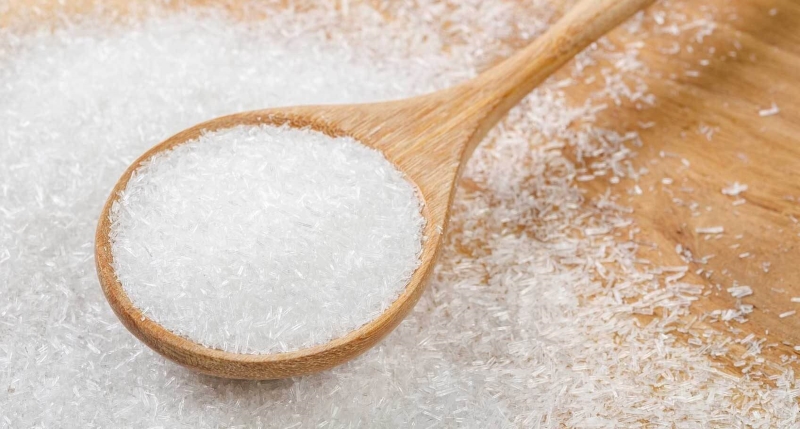
MSG (Monosodium Glutamate) has gotten a bad rap for decades, but the question remains: is it really as bad for you as everyone thinks? Here is the fascinating and bizarre history behind the origins of MSG-hate, and why you should actually be cooking with it a lot more.

Continue reading “The Truth About MSG & Why You Should Cook With It More”

5 Reasons Why You Should Be Using Side Towels (like the pros do)

A pack of these is roughly the same price as a giant package of paper towels from the grocery store, but will last you 6 months to a year depending on how often you cook.

Continue reading “5 Reasons Why You Should Be Using Side Towels (like the pros do)”

5 Reasons Why You Should Cook More in 2025


Some of you may be asking this question: Why should I learn to cook? It takes time. It takes money. It means I have to go to the grocery store. It takes practice. I have so little free time in my life – why should I spend time every day, or a few days a week, working in the kitchen? It’s so much easier just to eat out or order take-out.

Continue reading “5 Reasons Why You Should Cook More in 2025”

How To Build The Perfect Charcuterie Board

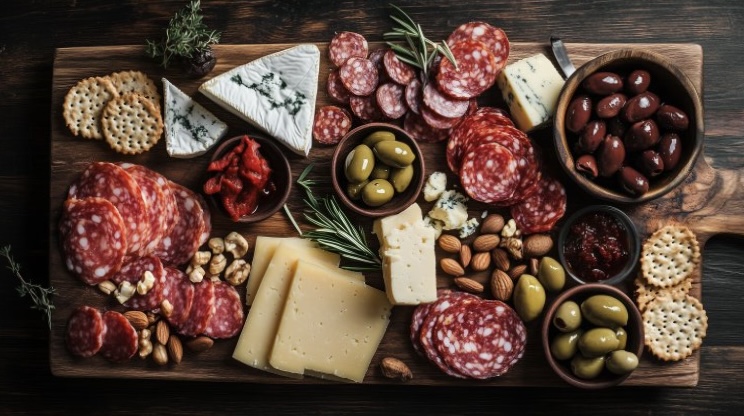
It may be counterintuitive, but the secret to building a great charcutier board lies in choosing ingredients that to some degree actually oppose – rather than compliment – each other. This keeps the experience interesting enough that people will want to keep munching.

Continue reading “How To Build The Perfect Charcuterie Board”